
Foam Density for Sofa 101: How to Choose the Right Firmness
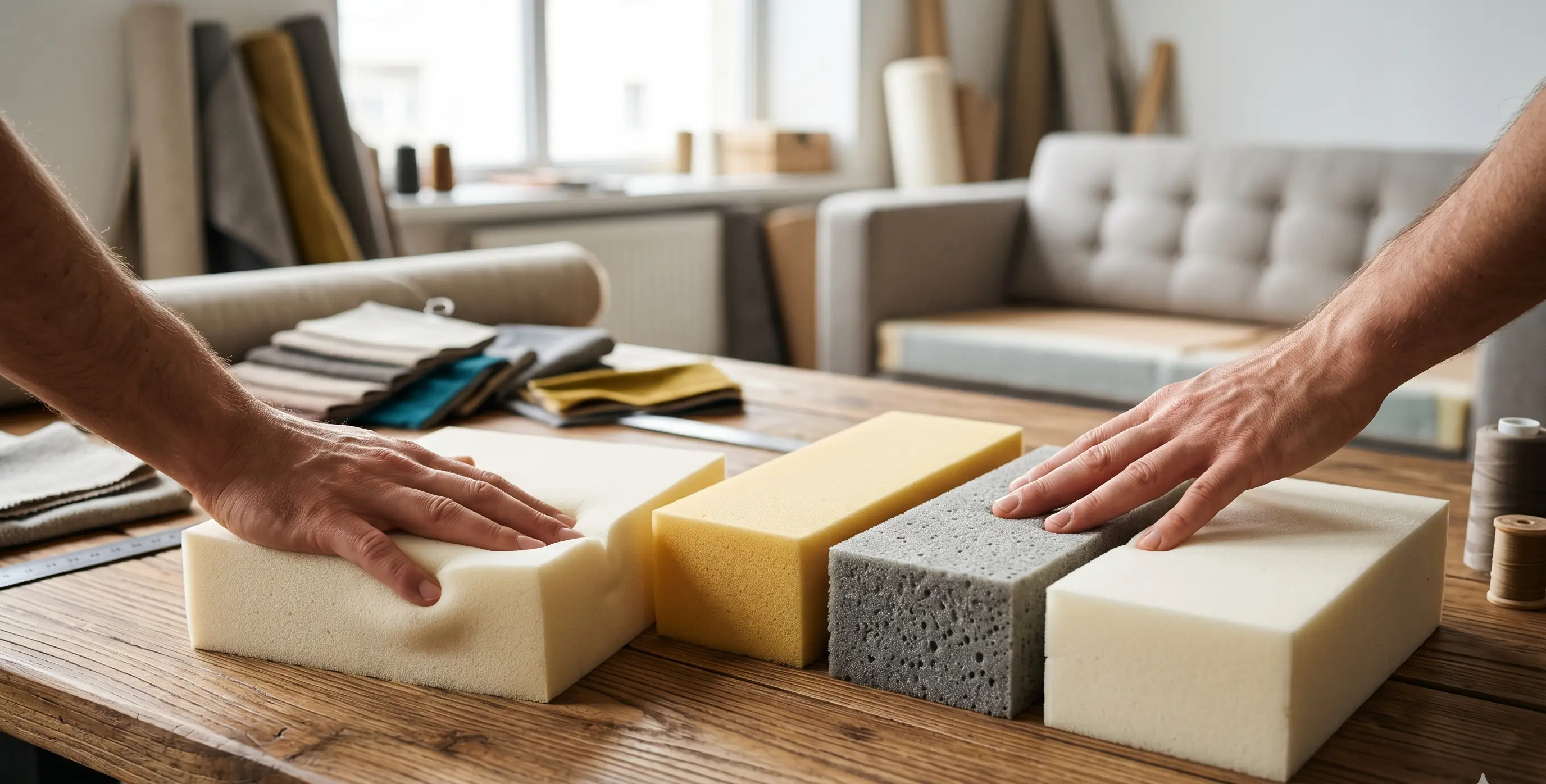
Have you ever sat on a sofa that looked perfect, only to
sink halfway to the floor? Or perhaps you have bought replacement cushions that
felt like sitting on a brick? The culprit in both scenarios is usually a
misunderstanding of foam density for sofa cushions.
At Cushion
Guru, we know that the "inside" of your cushion is just as
important as the fabric on the outside. Choosing the right foam density is the
secret to furniture that is not only comfortable today but remains supportive
for years to come.
What Exactly Is Foam Density?
There is a common myth that "density" equals
"firmness." This is not entirely true.
- Density
refers to the weight of the foam per cubic foot. It determines durability.
- Firmness
(measured in ILD) refers to how much pressure it takes to compress the
foam. It determines comfort.
When shopping for foam density for sofa replacements,
you want a balance. A high-density foam (usually 1.8 lbs/ft³ or higher) will
resist sagging, while the firmness level you choose (soft, medium, or firm)
dictates how it feels when you sit.
The Best Foam Density for Sofa Seat Cushions
For the primary seat cushions—the ones that take the most
weight—you should never settle for low-density materials. Standard "big
box store" sofas often use 1.2 lb density foam, which begins to flatten
after just one year of daily use.
For a long-lasting replacement, we recommend a High-Density
Polyurethane Foam with a rating of at least 1.8 to 2.5 lbs. This
"industry gold standard" ensures that your foam density for sofa
seats will spring back to its original shape every time you stand up.
According to The Foam Factory, investing in high-density foam can double
or triple the lifespan of your furniture compared to standard fillers.
Foam Density for Sofa Back Cushions: A Different
Approach
Your back cushions don't support your full body weight, so
they don't need the same extreme density as the seats. In fact, using
super-dense foam here can make your sofa feel stiff and uninviting.
For backrests, we suggest a Medium-Density Foam or a
"blown fiber" fill. This allows you to sink back slightly, creating
that cozy, "enveloping" feel while still maintaining enough structure
to look tidy.
Memory Foam vs Standard Foam
Memory foam is famous for mattresses, but is it right for
your living room?
- Pros:
Incredible pressure relief and contouring.
- Cons:
It can retain heat and "sit warm."
If you love the feel of memory foam, the best approach is a
hybrid: a core of high foam density for sofa support, wrapped in a thin
outer layer of memory foam. This gives you the soft initial feel without the
sinking sensation.
Signs You Need to Upgrade Your Foam
How do you know it is time to order from Cushion Guru? Look
for these three signs:
- The
"Pancake" Effect: Your cushions look flat even after
fluffing.
- Difficulty
Standing Up: You sink so low that getting off the couch is a workout.
- Fabric
Wrinkles: The fabric looks loose and baggy because the foam inside has
shrunk.
Final Thoughts
Don't let a sagging sofa ruin your relaxation time. By upgrading to the correct foam density for sofa cushions, you can revive your favorite furniture piece for a fraction of the cost of buying new.